

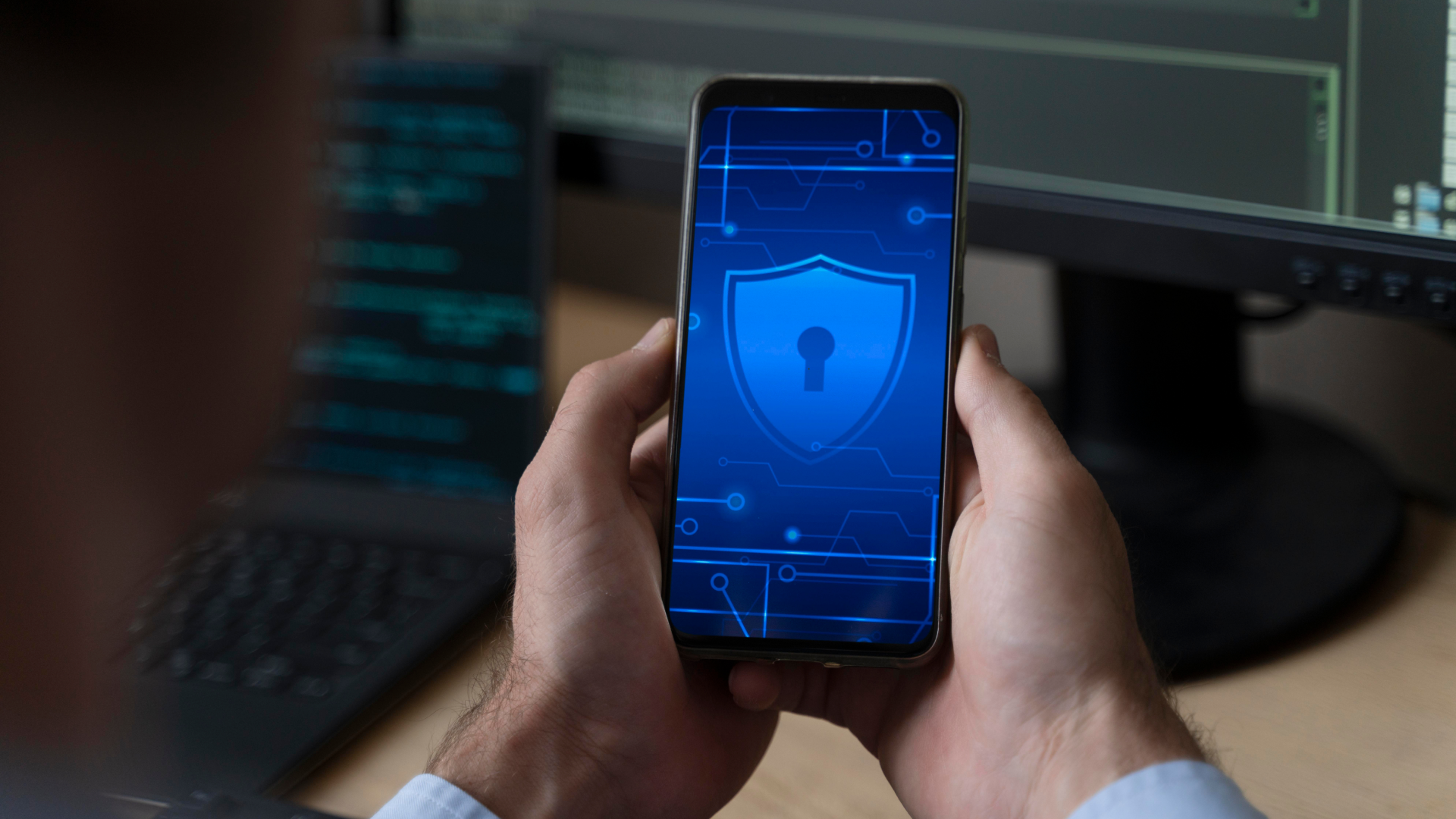
Mobile apps, such as those for banking, shopping, and entertainment, offer significant convenience and connectivity. However, this dependence also presents security and privacy risks. Both developers and users need to prioritize mobile app security to protect sensitive information. AppLogiQ emphasizes the importance of adhering to best practices in app security and being vigilant about potential threats. This article delves into essential security measures that should be implemented and the various threats that could jeopardize data integrity, ensuring users and developers of AppLogiQ applications can maintain trust and safety in their digital interactions.
Essential Security Areas in Mobile App Development
Mobile app security is paramount in coding, APIs, data transmission, user permissions, and data storage. Focusing on these areas helps protect sensitive information from potential threats.
Adopting Secure Coding Techniques
Developers should utilize secure coding practices, such as input validation and secure authentication, to minimize vulnerabilities. Regular code reviews and robust error handling are crucial to maintaining security integrity.
Implementing Strong Authentication Measures
Secure authentication, including multi-factor and biometric verification, is critical to ensuring that only authorized users access the app. This prevents unauthorized entry and safeguards user data.
Enhancing Data Protection
Encrypting data both in transit and at rest is essential to protect against unauthorized access. Secure data storage practices ensure that sensitive information remains confidential, even in the event of a breach.
Refining Error Management
Effective error handling is vital to prevent leakage of sensitive information. Tailoring error messages to be informative yet secure helps mitigate potential risks from attackers.
Conducting Thorough Code Reviews
Regular code reviews are essential for identifying and rectifying security vulnerabilities early. This proactive approach helps in maintaining the app’s security posture against evolving threats.
Ensuring API Security
To safeguard mobile apps, implement strong authentication and authorization for APIs using secure API key management and token-based methods. Employ API rate limiting to prevent abuse and defend against Denial of Service attacks by restricting the number of requests within a given timeframe.
Strengthening Data Transmission Security
Adopt the latest TLS version to secure data during transmission and prevent eavesdropping. Additionally, verify server certificates to secure communications against Man-in-the-Middle attacks, and encourage users to use VPNs on public Wi-Fi to protect their data.
Respecting User Permissions and Privacy
Only request essential permissions and clearly explain their need to build user trust. Maintain a transparent privacy policy detailing data use and protection, ensuring users feel secure about their privacy.
Protecting Offline Data Storage
Encrypt sensitive local data and regularly purge unnecessary stored information to safeguard against unauthorized access. This minimizes risk even if the device is compromised, ensuring data security.
Threats and consider
In the rapidly evolving landscape of mobile app development, new threats emerge frequently, challenging the security measures in place. Although it's difficult to anticipate every potential attack, developers have a crucial role in safeguarding users against known threats. By staying informed about the latest vulnerabilities and implementing robust security protocols, developers can significantly reduce the risk of attacks. It's essential for developers to continuously update and fortify their applications, ensuring that security practices are adapted to counter current and emerging threats effectively. This proactive approach helps maintain user trust and protects sensitive data from potential breaches.
Malware and Device Exploits
Mobile devices are vulnerable to malware through apps downloaded from unofficial sources, leading to unauthorized data access. Operating system flaws may be exploited to gain control, while jailbreaking or rooting can increase security risks by enabling malicious software installations or system modifications.
Data Leakage Risks
Sensitive data handled by mobile apps can be exposed through insecure data storage or compromised devices. Weak authentication methods may allow unauthorized access, and Man-in-the-Middle attacks can intercept and alter unencrypted data during transmission.
Code Security and Injection Threats
Apps with insufficient input validation are susceptible to injection attacks like SQL injection or XSS, compromising data integrity. Insecure deserialization and weak cryptography practices can also lead to remote code execution and data breaches.
Social Engineering and Phishing Dangers
Phishing attacks deceive users into divulging sensitive information through fake websites or emails. Additionally, social engineering tactics can manipulate users into compromising their own security by exploiting trust and urgency.
Importance of Prioritizing Mobile App Security
Developers and users must actively engage in best security practices and stay vigilant against new threats. A committed approach to mobile app security helps protect user data and maintain trust in mobile technologies.
Prioritize Mobile App Security
Mobile app security is crucial and requires both developers and users to actively prioritize and enhance their security measures. Developers must adopt a proactive security approach to ensure the protection of user data, which builds trust and maintains the integrity of mobile applications. It's vital for all parties involved to continuously educate themselves on the latest security practices and remain alert to new threats. Staying informed and vigilant helps safeguard against risks that could compromise user privacy and app security globally. Such commitment to security not only protects data but also strengthens the overall trust in mobile technologies.