

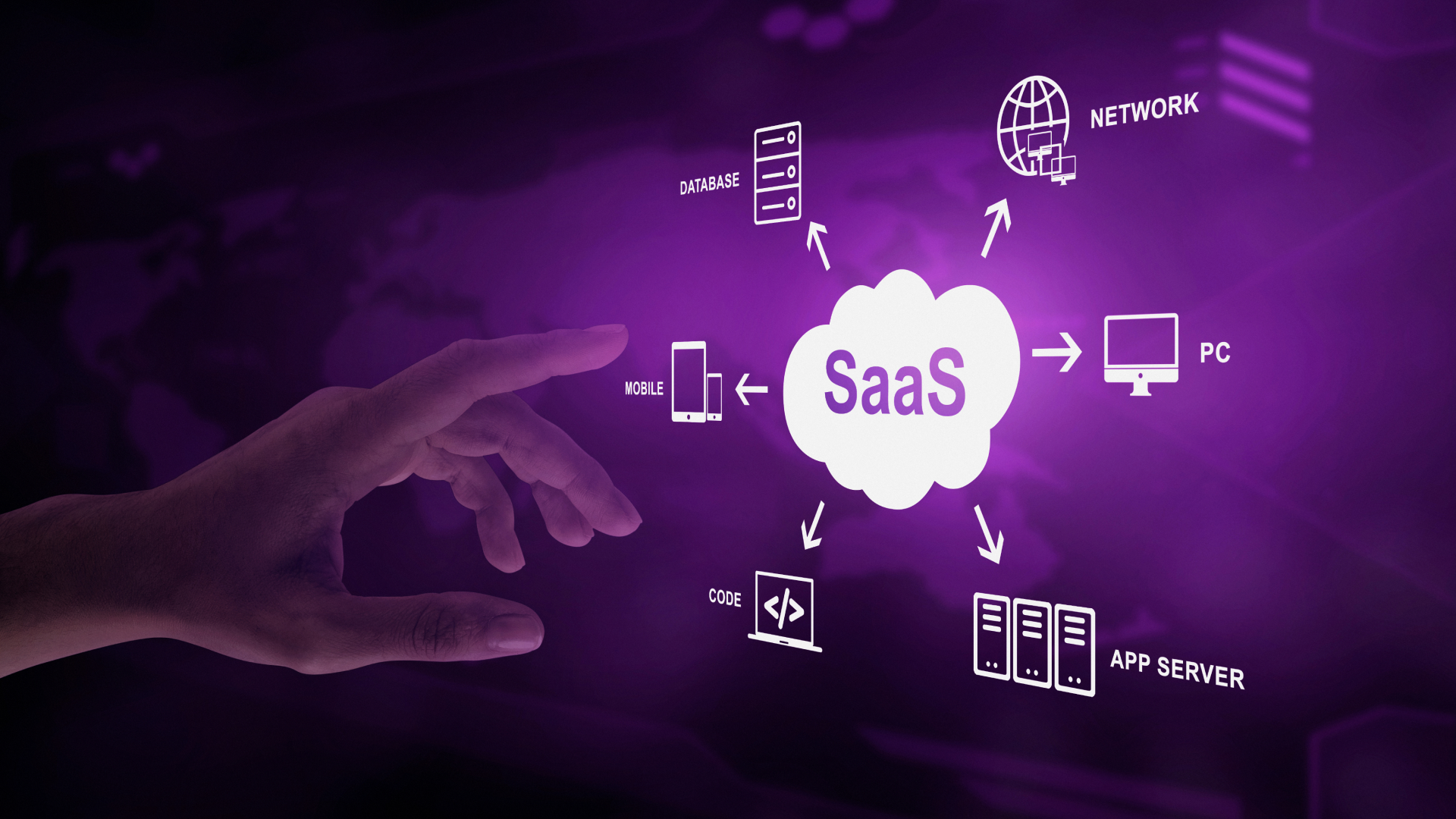
Cloud computing has become a fundamental element for organizations globally, providing unmatched flexibility, cost-efficiency, and scalability. As it continues to evolve, integrating with technologies like AI, blockchain, and IoT, cloud computing is set to transform industry landscapes and redefine interactions with technology. Forecasts suggest the global public cloud computing market will reach an impressive $679 billion by 2024.
With extensive experience spanning over a decade in cloud development, and a team of AWS-certified experts, AppLogiQ offers efficient, scalable, and high-performing serverless solutions tailored for modern businesses. Having successfully executed over 223 projects, including scalable streaming infrastructure for Overquota and backend reengineering for Tough Trackers, AppLogiQ ensures the delivery of secure and reliable cloud-based services.
This article delves into the myriad benefits of cloud computing within today's technological frameworks. We also explore upcoming trends and what the future holds for cloud technology. Learn about the significant impact of multi-cloud and hybrid cloud strategies, the advantages of edge and serverless computing, and how AI is revolutionizing cloud computing through enhanced automation, sophisticated data analytics, and improved user experiences. Discover the capabilities that AppLogiQ brings to these cutting-edge developments, positioning your business at the forefront of technological advancement.
What is Cloud Computing?
Cloud computing provides a versatile infrastructure that grants users access to a wide range of computer resources, including servers, storage, databases, software, and analytics tools, all accessible over the internet. This setup allows organizations to bypass the limitations of traditional physical hardware and software maintenance, enabling them to store and access services remotely via the cloud.
By decentralizing the storage of digital assets, cloud computing significantly enhances an organization's adaptability within digital environments. Furthermore, cloud platforms often bolster security through advanced protocols, data backup systems, and robust encryption, offering superior safety measures compared to traditional on-premise storage solutions.
Essential for modern organizations, cloud computing drives greater collaboration, innovation, flexibility, and efficiency, making it a pivotal element in the ongoing evolution of digital technologies. This pivotal role raises compelling questions about the future directions and developments of cloud computing.
Benefits of Cloud Computing
The latest advancements in cloud computing provide numerous advantages that are transforming the operational landscape of organizations across various sectors. Here’s a closer look at how cloud technology enhances business operations and drives success:
Accessibility: Cloud computing enables users to access data and applications from any location with an internet connection, enhancing flexibility and mobility. This accessibility supports seamless collaboration and boosts productivity, particularly in remote and global work environments.
Security: To combat cyber threats, cloud service providers implement stringent security measures including data encryption, user authentication, and regular data backups. Utilizing trusted cloud platforms helps businesses safeguard their sensitive data and comply with regulatory standards.
Scalability: Cloud servers allow organizations to swiftly scale their computing resources to meet fluctuating demands without heavy investments in physical hardware. This on-demand scalability fosters operational efficiency and optimizes both performance and cost.
Cost Efficiency: By eliminating the need for substantial investments in physical infrastructure and ongoing maintenance, cloud computing significantly cuts business costs. This adjustment in expenses allows companies to reallocate resources more effectively and liberates them from the constraints of traditional IT maintenance.
Reliability: Modern cloud technology provides dependable solutions that ensure data and digital assets are always available when needed. Cloud providers ensure high system availability and uptime through redundant infrastructure and data replication, minimizing disruptions and maintaining consistent access to vital resources.
Trends and Prediction of Cloud Computing
Keeping up with the latest developments in cloud computing is crucial for anticipating its future direction. From the rise of hybrid and multi-cloud strategies to advancements in edge computing and AI integration, these trends are setting the course for cloud computing into 2024 and beyond.
Hybrid and Multi-Cloud Strategies
The adoption of hybrid and multi-cloud solutions is surging as businesses seek to diversify their cloud infrastructure and avoid reliance on a single provider. A 2023 Statista survey reveals that 90% of large enterprises now use multi-cloud strategies. The hybrid cloud market is also expanding rapidly, expected to reach $262 billion by 2027, growing at a 20.6% annual rate.
These strategies allow companies to cherry-pick services from multiple cloud providers, customizing their IT environments to their specific needs. This not only enhances flexibility and scalability but also drives cost efficiency by tapping into competitive pricing and preventing vendor lock-in. The ability to seamlessly transition workloads across platforms helps businesses stay agile in response to evolving market conditions and technological advancements.
Edge Computing
As IoT devices proliferate and the demand for real-time data processing escalates, edge computing has become a critical trend. By 2023, the global market for edge computing had expanded to $16.45 billion, with projections of a 37.9% CAGR through 2030.
Edge computing brings computation closer to data sources, minimizing latency and conserving bandwidth, which is crucial for applications that require rapid decision-making such as autonomous vehicles and smart city technologies. This shift enables businesses to leverage IoT potential more effectively, enhancing operational efficiencies and enabling real-time insights and responses.
Green Computing Initiatives
The ICT sector's environmental impact is significant, with data centers alone doubling their energy consumption over the past decade. Green computing initiatives aim to mitigate these effects by enhancing energy efficiency, sustainability, and responsible resource management. These efforts include optimizing data center energy use, employing energy-efficient components, and increasing the use of renewable energy sources. By adopting these practices, organizations not only reduce their environmental footprint but also align with increasing regulatory and consumer demands for sustainability, enhancing their competitiveness and brand reputation.
Serverless Computing
The serverless computing market, having reached $9.3 billion, is expected to grow at a 20.8% CAGR from 2024 to 2028. This model changes how businesses develop and deploy applications by eliminating the need to manage underlying infrastructure. Benefits of serverless computing include:
Cost Efficiency: Users pay only for the resources they consume during execution, reducing the costs associated with continuous server maintenance and provisioning.
Scalability: Serverless architectures automatically adjust resources to meet demand, facilitating seamless handling of traffic spikes without human intervention.
Reduced Operational Overhead: Freeing developers from server management tasks allows them to focus on application innovation and logic.
As companies strive for greater efficiency and innovation, serverless computing offers a powerful solution that simplifies application deployment and scalability. This trend is poised to transform digital transformation across various industries by reducing infrastructure complexity and enhancing development efficiency.
Enhanced AI and Machine Learning Integration in Cloud Computing
Recent advancements underscore the crucial role of artificial intelligence (AI) and machine learning (ML) in enhancing decision-making within cloud computing systems. Cloud providers are increasingly investing in AI and ML to introduce capabilities like automatic scaling and self-repairing systems.
Examples of AI and ML applications in cloud computing include:
Predictive maintenance to enhance cloud infrastructure reliability
Automated scaling and resource provisioning for dynamic demand management
Anomaly detection and security threat identification to bolster defenses
Natural language processing for sophisticated chatbots and virtual assistants
Tailored recommendations and content optimization in applications
Advanced data analytics and pattern recognition for strategic business intelligence
Enhanced image and video analysis for media processing platforms
The integration of AI and ML not only streamlines data analysis and resource management but also enhances the responsiveness of cloud systems, leading to more automated, cost-effective, and scalable operations that drive innovation and growth.
Increased Focus on Security
As per the IBM Data Breach report, 45% of all data breaches are now cloud-based, highlighting the growing challenge of cloud security. The Flexera 2022 State of the Cloud Report further indicates that security is the primary concern for 85% of cloud users. The proliferation of smart cloud systems introduces new vulnerabilities, including AI-specific risks, data privacy issues, and susceptibility to adversarial attacks.
With the rise in cloud usage, enhancing security measures becomes imperative. Investments in advanced encryption, robust identity and access management, and real-time threat detection are essential to protect sensitive data and prevent breaches.
Expanding Cloud Regulations
The increasing reliance on cloud services has led to heightened data privacy, security, and governance concerns, necessitating more robust regulatory frameworks. The complexity of cloud supply chains and the challenges in regulating AI and digital crime highlight the need for effective legislation.
The Digital Operational Resilience Act (DORA) in the European Union is a response to these challenges, aiming to fortify the security and integrity of digital processes. As cloud adoption grows, expect a rise in regulations, particularly in sectors like healthcare and banking, which will mandate cloud providers to meet stringent privacy and security standards, promoting user safety and fair competition.
Quantum Computing's Role in the Cloud
Quantum computing, which leverages the principles of quantum mechanics, is poised to revolutionize data processing with its exceptional speed and complexity. The technology is anticipated to enhance cloud capabilities rather than replace them, offering profound impacts on data management, encryption, and experimental computations. The quantum computing market is rapidly growing, expected to reach $4,375 million by 2028, with significant potential to transform various industries.
In summary, the future of cloud computing will be characterized by deeper AI integration, heightened security measures, more stringent regulations, and the innovative incorporation of quantum computing. These elements will collectively shape the next generation of cloud technologies, making them more efficient, secure, and revolutionary.
Artificial Intelligence in Cloud Computing
Artificial intelligence (AI) significantly boosts the capabilities of cloud computing, enriching data management, automation, and user experience. The role of AI in the future of cloud computing is pivotal in enhancing interactions and transforming the digital landscape for enterprises.
Automation
AI streamlines various operations within cloud computing, ranging from straightforward data management to sophisticated predictive analytics. By automating these processes, AI improves operational efficiency, enabling faster and more accurate task completion while reducing the need for constant human oversight.
Data Analytics
AI leverages its advanced data analytics prowess to delve deeper into network operations and customer behaviors in cloud settings. By examining large datasets, AI identifies patterns and trends, enhancing the reliability and efficiency of systems and helping to fine-tune processes through predictive insights.
User Experience
The integration of AI into cloud services has catalyzed the creation of interactive chatbots and personalized service recommendations. Such AI-driven personalization caters directly to user preferences, enhancing satisfaction and potentially boosting business profitability.
AI is proving to be an indispensable tool in shaping the future of cloud computing. The combination of AI and cloud computing not only streamlines operations but also provides valuable insights and significantly enriches the digital experience for organizations and their users.
AppLogiQ's Expertise in Cloud Computing
AppLogiQ boasts extensive expertise in cloud computing, with a particular focus on serverless architecture consulting. With over a decade of experience in the realm of cloud development, our team adeptly handles the complexities of the cloud to devise and recommend the best cloud-based solutions tailored to your specific infrastructure requirements. As AWS-certified cloud professionals trained by leading cloud providers, we are equipped to offer top-tier serverless consulting services.
Our team at AppLogiQ is proficient in deploying from the ground up and providing comprehensive consultancy services to a wide array of clients. Our serverless consulting offerings encompass infrastructure scaling, serverless development, cloud consulting, outstaffing, migration, and outsourcing solutions. Whether your organization needs in-house support or on-site assistance, AppLogiQ is committed to ensuring the security, scalability, and high performance of your serverless application development. Here, we share some of our clients’ success stories to illustrate our capabilities.