

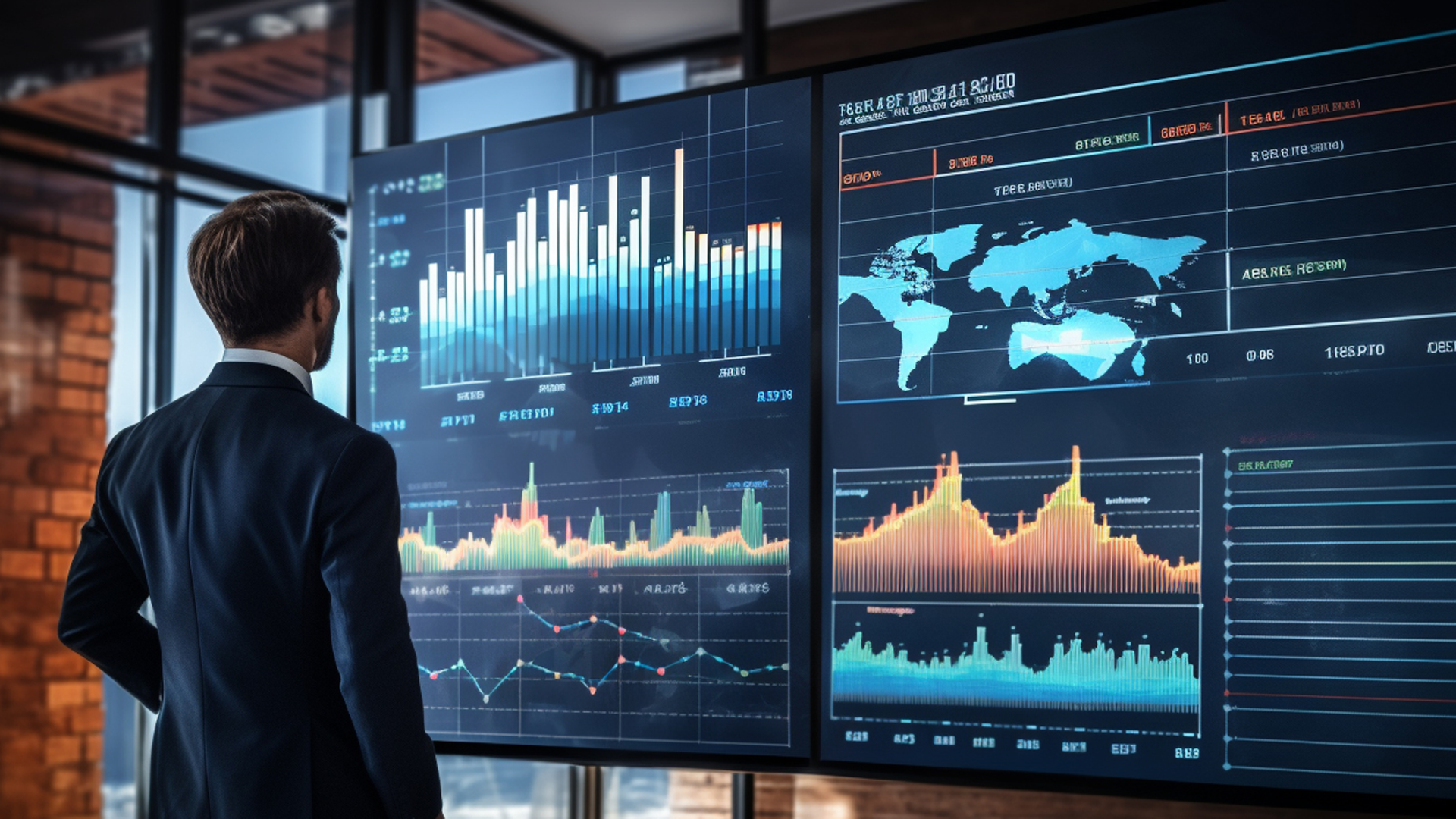
In our data-driven era, the power of information cannot be overstated. Data not only streamlines individual efforts towards achieving success but also helps organizations diagnose issues within their operations. A crucial tool in leveraging this vast amount of data is predictive analytics. This advanced technique is increasingly used by businesses to detect potential risks and uncover valuable opportunities. Through this blog, we'll explore the vast potential of predictive analytics. We'll discuss how it transforms raw data into actionable insights, enabling companies to make informed decisions that enhance operational efficiency and drive strategic growth. By integrating predictive analytics, businesses can anticipate trends, manage risks more effectively, and seize opportunities that might otherwise go unnoticed. Join us as we unveil the capabilities and benefits of predictive analytics in the modern business landscape.
What is predictive Analysis?
Today's world thrives on data, and its impact is profound, both for individuals aiming for personal success and organizations looking to optimize operations. Predictive analytics emerges as a crucial strategy in this context, enabling businesses to identify potential risks and seize emerging opportunities. This blog post will take a deep dive into predictive analytics, illustrating how it turns a deluge of raw data into precise, actionable insights. We'll discuss its role in helping companies make informed decisions that enhance efficiency and drive growth. By implementing predictive analytics, businesses are better equipped to forecast trends, effectively manage risks, and uncover valuable opportunities that could easily be overlooked. Let's uncover how predictive analytics is reshaping the business landscape, making operations smarter and more proactive.
Machine Learning for Predictive Analysis
Predictive analytics and machine learning are powerful tools that help companies make forward-looking decisions based on data-driven insights. By analyzing both current and historical data, these methods predict future outcomes, enabling businesses to act with greater precision. While often used interchangeably, the terms "machine learning" and "predictive analytics'' represent distinct yet interconnected disciplines. Predictive analytics focuses on using statistical techniques to forecast outcomes, while machine learning involves training algorithms to learn from data and make decisions or predictions automatically. Together, they form a robust framework that enhances decision-making across various business functions. This detailed exploration will clarify how each approach contributes to the broader spectrum of data analytics and how they synergize to provide deeper insights, helping businesses not only respond to future trends and potential risks but also seize opportunities proactively. Join us as we delve into the nuances of these technologies and their pivotal role in transforming business strategies.
Application of Predictive Analysis in Various Industries
Banking
In the banking sector, machine learning is combined with advanced quantitative methods to enhance financial services. This integration aids in assessing credit risks and detecting fraudulent activities with greater accuracy. Banks leverage these technologies to analyze patterns in vast datasets, helping them to predict and mitigate risks before they manifest. This proactive approach not only safeguards the financial assets of institutions but also protects consumers from potential fraud, thereby strengthening trust and security in financial transactions. The predictive capabilities of machine learning thus play a crucial role in modernizing and securing financial operations.
Healthcare
Predictive analytics is revolutionizing healthcare by facilitating the early detection and effective management of chronic illnesses. This technology allows healthcare providers to analyze vast amounts of data to identify at-risk patients and intervene earlier, improving patient outcomes. By predicting which patients are likely to develop certain conditions, healthcare systems can allocate resources more effectively, enhancing preventive care and reducing the burden on healthcare facilities. Moreover, predictive analytics supports the development of personalized treatment plans, ensuring that patients receive tailored care that can significantly improve their quality of life.
Human Resources
Human Resources (HR) departments across various industries are increasingly incorporating predictive analytics into their operations. This technology is used to streamline the hiring process, identify the best candidates for specific roles, and predict future labor market trends. Additionally, HR teams utilize predictive analytics to forecast employee performance, aiding in talent management and development strategies. This approach not only enhances the efficiency of recruitment processes but also helps in building more cohesive and productive teams, ultimately contributing to organizational success.
Marketing and Sales
Predictive analytics is transforming marketing and sales strategies by enabling companies to predict customer behaviors throughout the lifecycle. This technology is crucial for personalizing marketing campaigns, optimizing customer engagement, and enhancing cross-selling techniques. By analyzing customer data, predictive analytics helps marketers to understand consumer preferences and tendencies, allowing for the delivery of targeted advertisements and promotions that resonate with the audience. This tailored approach not only improves customer satisfaction but also boosts sales efficiency, making predictive analytics an indispensable tool in the competitive marketing landscape.
Retail
In the retail industry, predictive analytics is key to optimizing operations and enhancing customer satisfaction. Retailers utilize this technology to make precise product recommendations, forecast sales trends, analyze market conditions, and manage seasonal inventory more effectively. By understanding customer preferences and purchasing patterns, retailers can ensure the right products are available at the right time, thereby improving inventory management and reducing overhead costs. This strategic use of data not only boosts sales but also enhances the shopping experience, helping retailers to meet consumer needs proactively.
Supply Chain
Predictive analytics is becoming essential in supply chain management by enhancing inventory control and optimizing demand forecasting. This technology enables businesses to predict market demand accurately, ensuring that inventory levels are maintained efficiently without overstocking. By analyzing historical sales data and market trends, predictive analytics helps companies adjust their supply strategies, reducing costs and improving service delivery. This efficient management of resources ensures that businesses can meet consumer demand promptly while minimizing wastage, making predictive analytics a valuable tool for sustainable supply chain operations.
Predictive Analysis with AI
When Artificial Intelligence (AI) services merge statistical algorithms with a combination of internal and external data, they significantly enhance the accuracy and efficiency of predicting future business trends. This sophisticated integration yields results that allow companies to be more proactive and strategic in their decision-making processes. Utilizing AI in this way enables businesses to anticipate market shifts and align their strategies accordingly, ensuring they remain competitive and responsive in a rapidly evolving marketplace. The benefits of this approach are manifold, improving overall business operations and driving growth by leveraging predictive insights to make well-informed decisions.
Managing Inventory
Managing inventory has evolved with the integration of AI and real-time data. Modern warehouses now employ Internet of Things (IoT) devices that trigger alerts when inventory levels are low, ensuring timely restocking before products run out. This proactive approach to inventory management not only prevents stock shortages but also optimizes the storage and replenishment cycles. By monitoring and analyzing inventory data continuously, businesses can maintain optimal stock levels, reduce holding costs, and increase operational efficiency. This advanced system supports a seamless supply chain process, enhancing customer satisfaction by guaranteeing product availability.
Optimizing Delivery
Optimizing delivery routes has been revolutionized through the pairing of AI with route optimization software. This technology allows for real-time adjustments and predictions about the most efficient delivery timings, potential delays, and other critical factors affecting transportation. Additionally, IoT devices equipped on delivery trucks collect sensor data that helps optimize various operational aspects, such as detecting load imbalances and monitoring sudden stops. These capabilities provide valuable insights that facilitate smarter, data-driven decisions in logistics management, improving delivery reliability and efficiency.
Actionable Insights through data
The collection of massive data sets is only valuable when it leads to actionable insights. AI-driven data analytics plays a crucial role in transforming extensive data into predictive, actionable information. This process enables businesses to identify potential opportunities and risks, tailoring strategies that are informed by data-driven predictions. By converting data into actionable insights, companies can make strategic decisions that are not only reactive but also proactive, enhancing operational efficiencies and driving growth. This approach ensures that businesses are not merely collecting data, but are effectively utilizing it to foster innovation and competitive advantage.
Conclusion
There are numerous benefits that AI analytics can bring to your business. At AppLogiQ, we offer a suite of software tools designed to facilitate the creation of fast, easy, and scalable predictive models. In addition to AI analytics, we also specialize in Blockchain Development and Cyber Security Services, providing a comprehensive technology solution tailored to modern business needs. It's time to empower your business with the advantages of AI. Choose AppLogiQ to unlock the full potential of digital innovation and secure a competitive edge in your industry. Let us help you transform data into actionable insights and drive your business forward.